
Category Archives: Blog

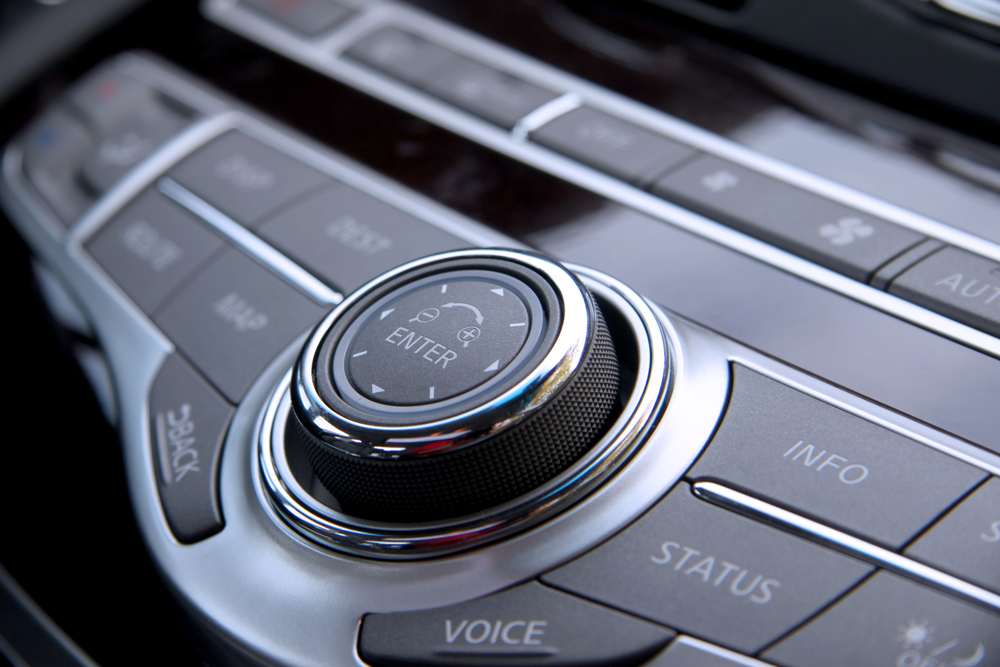
3 Primary Components of Car Audio Systems

If you still remember the days when car audio systems consisted of an AM/FM radio and two tiny, tinny speakers, you’re going to love today’s advanced sound system technology.

Although technology has brought a host of space-age functionality to car stereo systems, the basic structure hadn’t changed much. When you come in to Laketown Speed and Sound to design your new aftermarket car audio system, we will begin by helping you choose these 3 primary components for your vehicle.

Car Audio Components

No. 1: The Head Unit, aka the Brains of Your Car Stereo System

The car audio industry has progressed most substantially when it comes to head unit design. Today, you can choose from hundreds of options designed to give you what you want from your system.


Satellite radio, streaming audio, video, DVD, GPS and device integration are all available. You can choose a head unit that allows you to dock your devices or connect using Bluetooth technology.


The quality of your system is driven by the head unit, so choose wisely and you’ll be able to achieve whatever you desire with your car stereo system.


No. 2: The Amplifier, aka the Signal Booster for Car Audio

Head units simply don’t generate that much power so, if you run directly from the head unit to the speakers, you won’t be able to play your car stereo at more than a moderate volume. You can remedy this problem by adding an amplifier to your system.


Amplifiers boost the sound from the head unit and send it on to the speakers, allowing the speakers to emit the full sound they’re capable of. Depending on your car’s configuration, you may be able to add a small amp behind the dash. Otherwise, if you want a stronger power boost, you can choose a more powerful amplifier.

The installer will select an appropriate location in your vehicle to mount the amplifier so it’s out of the way but still able to provide the sound amplification you want.


No. 3: The Speakers, aka the Car Audio Sound Delivery Mechanism

Without speakers, you’ll never hear anything from your system. Speakers work by converting electrical impulses into sound waves but they don’t all accomplish this task in the same way.

For a full range of sound, choose coaxial speakers. These all-around speakers don’t provide the same richness as you will experience with component speakers, however. Component speakers – woofers, tweeters and mid-range – provide a more robust sound. Or, if you’re a true audiophile, subwoofers and super tweeters provide an even richer sound quality. 

The problem with component speakers is that they all require mounting room. If you don’t have a lot of room to accommodate components, you’ll still get a great experience by going with coax speakers.

Laketown Speed and Sound, located in Draper UT, is northern Utah’s audio and video experts. We can install a system in your car, truck, boat, RV, ATV, motorcycle or wherever you want to have great sound on the go. Contact us today to learn more about our custom car audio installation services.

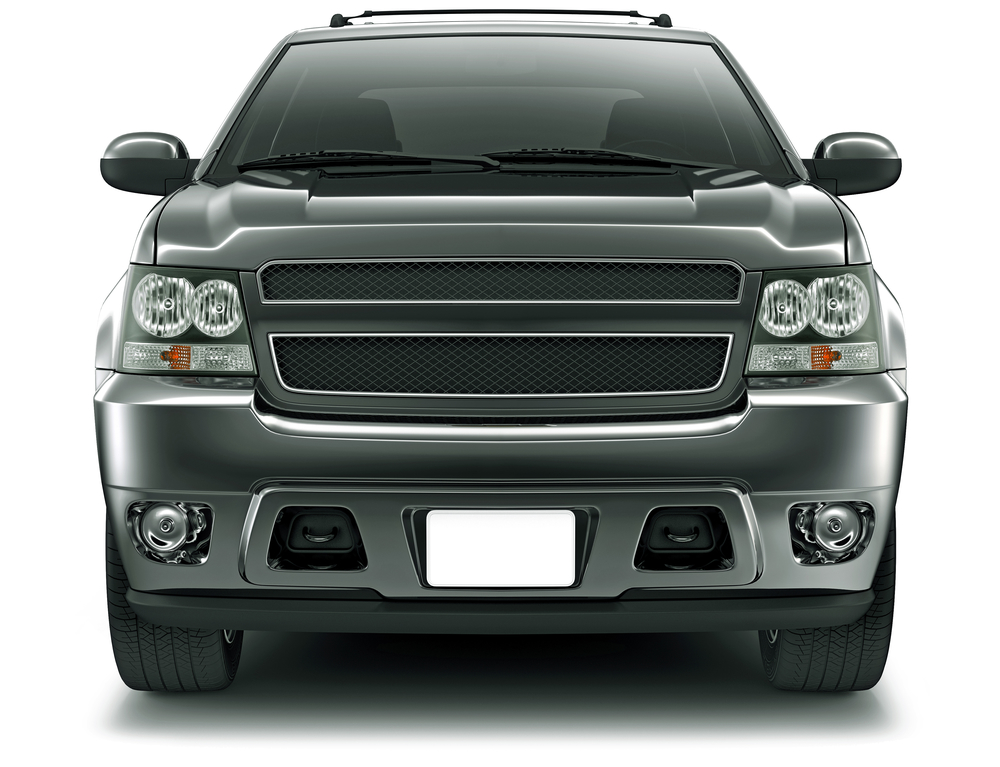
Lifting vs. Leveling Your Suspension

The goal of adding performance car parts and modifications to your vehicle isn’t really about increasing your speed – at least not all of them, anyway.

Many aftermarket modifications are intended to improve your vehicle’s performance and to help you achieve your specific performance goals. These modifications should also improve the value of your car or truck and – most important – improve the driving experience for you.

In Salt Lake City and throughout northern Utah, suspension modifications are one of the most in-demand services. You certainly can lower your vehicle but, here in the Intermountain West, most people are interested in lifting and leveling their trucks and sport utility vehicles.

Performance Car Parts Suspension

Lift kits and leveling kits achieve two very different goals, however. So which one is right for you?

What Do Lift Kits Do for Automotive Performance?

In this discussion, we’ll be talking about suspension lifting, as opposed to body lifting. Body lifting, although less expensive, only lifts your vehicle’s body away from the frame. A suspension lift kit, on the other hand, lifts both the body and the frame.

This allows you to install larger tires and gives your vehicle a more aggressive stance. But, even more important for most northern Utah residents, it provides extra ground clearance for off-roading.

Depending on your goals, your budget and your appetite for radical mods, you can lift your truck anywhere from an inch or two to as much as 18 inches.

What Is the Purpose of Adding a Leveling Kit to Your Vehicle?

Choose a lift kit if you a uniform height increase all around, and when you want extra ground clearance. But if you’re looking to adjust your truck’s level to improve under-load handling or to balance out the appearance of its stance, a leveling kit is just the ticket.

Typically, leveling kits are installed on the front suspension to offset the unbalanced appearance of the standard factory nose-down rake. Sometimes, however, truck owners are looking to improve their vehicle’s performance under specific conditions.

For example, if you run a snow plow, you might notice that your front suspension sags. A leveling kit is the perfect fix for this problem. Or, if hauling too many heavy loads in your truck has your rear suspension sagging, you can tighten it up like new by adding a leveling kit in the back.

Find a Performance Car Parts Expert for Lifting and Leveling

Whether you want to lift, lower or level your vehicle, don’t take it just any shop for these high-tech automotive performance car parts. When it comes to aftermarket mods for performance, the installation can be just as important as the parts themselves.

At Laketown Speed and Sound, we “get” performance upgrades. In fact, we’re so detailed and hands-on that we can spend with a vehicle before we ever begin the work, analyzing its current performance and strategizing about how to get the maximum results from the desired upgrades.

Located in Draper, our team also specializes in car audio installation as well as sound systems for your boat, RV, ATV or motorcycle. Contact us if you’d like more information on adding a lift kit or leveling kit to your vehicle, or if you simply want to learn more about what you can achieve with aftermarket performance car parts.

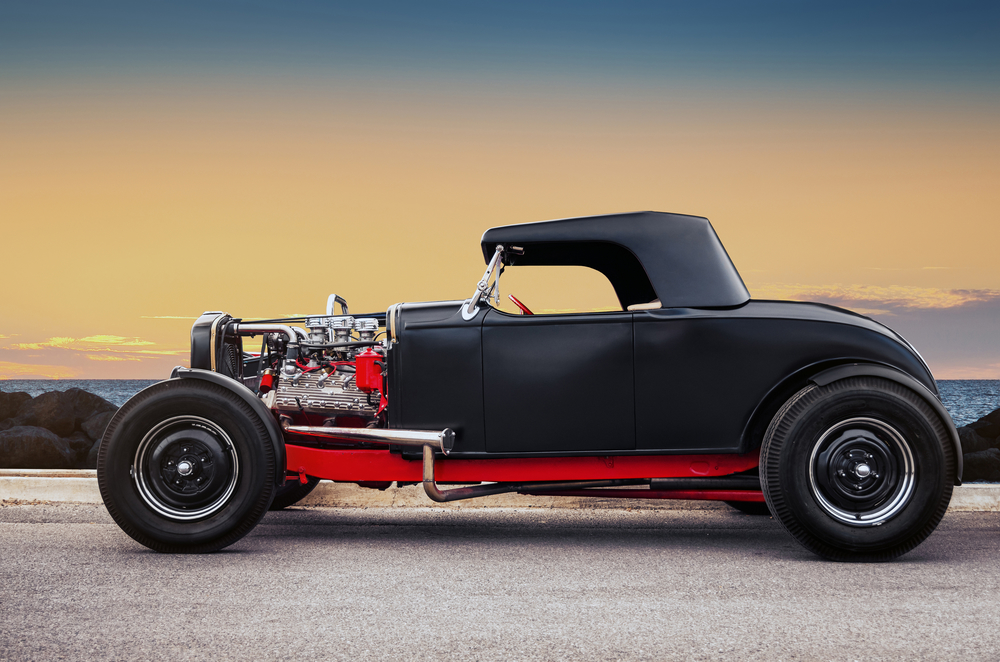
Hands-Free Bluetooth Audio Integration Keeps Your Hot Rod a Classic

Do you think hands-free Bluetooth audio technology sounds a little too modern and high-tech for your beloved hybrid? We beg to differ. In fact, we’re pretty certain that hands-free technology is exactly what you need to keep your hot rod looking like the sweet classic that it is.

You don’t have to give up on advanced audio technology just because you want to take a drive or attend a car show in your classic hot rod. You just have to know the classic car audio experts at Laketown Speed and Sound.

Hands-Free Bluetooth Audio Integration Keeps Your Hot Rod a Classic

Keep Your Hot Rod Pristine & the Factory Radio Intact

The beauty of installing a hands-free system is that you don’t have to cut the dash or even touch the original factory radio. Neither will you have to find a secret place to hide a new head unit — although you certainly have that option if you want to install a new controller.

With hands-free technology, you use your smartphone or other Bluetooth devices to control the system without having to plug in or connect with anything. Most vehicles — old or new — need new speakers, subwoofers and an amplifier for the sweetest sound. Fortunately, we have many speakers designed for retrofit applications that will keep your car looking cool and original.

Trust Hands-Free Audio to Keep You and Your Hot Rod Safe

In Utah, distracted driving leads to thousands of accident-related injuries every year. Not surprisingly, drivers playing with their smartphones, audio, and navigation systems are some of the most common offenders.

When you install a hands-free system — be it in a classic car or a vehicle straight off the dealer lot — you make the commitment to keep your hands on the wheel and your eyes on the road. You and your passengers will stay safer and so will your precious hot rod!

Hands-Free Bluetooth Technology Is Affordable & Simple to Install

This alternative is not only cost-effective, but it’s also quick and easy as compared to most other types of system installations. The original factory radio and sound system do not have to be operational for us to install your new system.

Whether you want satellite radio, GPS, streaming audio or any other sound source, we have the equipment you want at a price you’ll love.

And of course, you aren’t just limited to classic cars. In fact, we can install a system in your modern, daily driver, powersports vehicle, motorcycle or boat.

Laketown Speed and Soundlocated in Draper, Utah, can assist you with all your car audio, performance enhancement, window tinting and security needs. Contact us today to learn more about the types of hands-free Bluetooth audio systems we can install in your classic car or hot rod.

3 Custom Motorcycle Audio System Components You Need Now

Custom motorcycle audio systems aren’t what they used to be, that’s for sure. In fact, technological advances in audio technology have made significant strides in just the past few years.

So whether you installed your bike’s audio system years ago or you’ve got a new bike to trick out from somewhere like cleanharleys.com, you’ll have lots of fun choosing your system design and components. It doesn’t matter whether you have an older bike or a new custom Harley – you deserve more than factory sound.

Start with these three custom motorcycle audio system components, and from there, the sky’s the limit for your bike.

3 Custom Motorcycle Audio System Components You Need Now

No. 1: Motorcycle Speakers

You don’t need good speakers for your bike’s audio system – you need great speakers.

Don’t leave the obvious challenges that must be overcome (vibration, weather, engine and road noise) to just any motorcycle speakers. You can choose from motorcycle speakers for your helmet or the more popular handlebar version, but don’t forget about rear speakers if you want a full audio experience.

Be prepared to allocate a significant amount of power to your new speakers if you want great sound at highway speeds.

No. 2: Motorcycle or Powersports Subwoofer

What is a custom motorcycle sound system without a subwoofer, after all?

The challenge with adding a subwoofer (and even rear speakers, truth be told) is figuring out how and where to mount them. We can design a system that puts both components in your saddlebags, and we’ll make sure it looks as good as it sounds with custom lids or whatever style installation you prefer.

No. 3: Amplifier

We have a wide variety of powersports amplifiers that pack the power you need into a compact, low-profile design.

If you opt for the subwoofer, you’ll probably need a second amp to power it. This may call for adding a second battery to your bike, so you never have to worry about having plenty of juice.

We can design a bigger mount for your second battery too, so your system installation looks as good as it sounds.

You may also need a new head unit, or if you prefer, a dock that lets you use your smartphone as your audio source. Of course, you could always choose the best of both worlds and go with a head unit that also has Bluetooth, auxiliary and USB connectivity.

At Laketown Speed and Sound, we provide our customers with innovative solutions for all their audio needs with quality and affordable pricing you’ll be hard-pressed to beat. We’re known throughout northern Utah for our exceptional customer service and we always go the extra mile to ensure we provide the highest quality installation.

When you’re ready to make your bike sound as good as it looks, stop in and see us at Laketown Speed and Sound. We will help you create the custom motorcycle audio system you’ve been dreaming of.

The Beginner’s Guide to Car Audio Systems

Car audio systems can be enigmas to the newcomer. You know good sound when you hear it, but you don’t know how to create it in your vehicle. That’s OK; we can help.

Learning about car audio starts with an understanding of what each component contributes to the overall audio experience. But it’s also a great idea to be able to identify the pitfalls that you notice in your car audio, then learn the right fix for each situation.

Beginner’s Guide to Car Audio Systems

Know the Main Parts

There are three main components to car audio systems: the head unit, the amplifier and the speakers.

Head Unit

Sometimes called the “radio,” or the “stereo,” this is the brains of the operation. In older cars, this is what accepts the CD or cassette. In modern vehicles, the head unit is often built into the vehicle’s entire “infotainment” system, which is the central LCD screen that also controls climate and provides navigation.

Amplifier 

The amplifier takes signals from the head unit and increases them with a boost of power. In some smaller cars, the amp is built into the head unit.

Speakers

This is usually the first place the newcomer turns when their sound quality is low, assuming it’s the speakers that need an upgrade. In reality, the speakers are only transmitting what the head unit and the amplifier send.

What Does Your System Lack?

While there are many other components that can affect the overall audio quality, those are the top three pieces of every car audio system. Now, consider where your vehicle’s sound isn’t up to par. What complaints do you have?

Your Speakers Buzz

Factory-installed speakers aren’t the best quality, but you can easily upgrade to an aftermarket set that provides a wider, fuller range of sound. If you really want an upgrade in the speaker department, install a separate woofer and tweeter and use component speakers for midrange sound.

There Is Not Enough Power

If the sound simply feels like it needs more “oomph,” your amplifier is likely the culprit. Since it delivers more power to your new speakers, you’ll get more clarity without the distortion.

There Isn’t Enough Detail 

If you’re a music nerd, you know that layers of audio are essential to the full experience. An upgraded head unit could help enhance jazz or classical listening, taking your ears to another level.

Newbies: Come to Laketown

At Laketown Speed and Sound, our professional technicians have years of experience building car audio systems specifically for audiophiles. If you fully embrace this label and want to take your on-the-go listening experience to the next level, bring your car to our shop today!

Are Aftermarket Upgrades Safe for Your Car?

Aftermarket upgrades make it possible for you to customize your vehicle the way you prefer without the limitation of the manufacturer’s specifications. In other words, aftermarket upgrades can be a dream come true for the avid car or truck lover.

But inevitably, many vehicle owners have their moments of doubt when reviewing all the aftermarket parts and systems that are available. Are you making a decision in the best interests of your car? Are you choosing an upgrade that’s safe?

aftermarket upgrades

Why Are They Used?

The general definition of aftermarket parts are auto parts that are made by a company other than the original manufacturer. They are often known as the cheaper option for replacement after damage in a car accident or due to general wear and tear, but there is a misconception that this means they aren’t as sturdy or safe.

In reality, the opposite might be true. Aftermarket manufacturing companies spend a considerable amount of time testing each part to ensure it stands up to demand and performs adequately. The company usually specializes in creating that specific part, and the warranty on their part is usually much longer than the original manufacturer’s.

In contrast, the original engine manufacturer is not wholly focused on one part in the car — in fact, they are often looking for the lowest cost and the most lightweight materials in order to boost the overall specs of the final vehicle.

Common Aftermarket Upgrades

There is a big difference between making an aftermarket repair versus an upgrade. Replacing a broken part with a different one that performs the same is one thing, but replacing it with a part that delivers a higher level of performance, or alters the performance of the vehicle, is another.

Two of the most common upgrades car owners plan for are adding performance chips or a body kit. A performance chip could increase the efficiency and horsepower of your engine. A body kit will alter the look and aerodynamics of the vehicle.

When changing vehicle performance, the safety factor to consider is how those upgrades will deliver the desired result and how they will affect other vehicle systems. For example, you may increase your vehicle’s turbo capability with a performance chip, but is your suspension and braking able to withstand this increase in power?

Always Go with Professional Installation

One of the best ways to make sure you never regret opting for aftermarket upgrades is by trusting a professional to do the install. It takes in-depth knowledge to know how a modification to one system will affect the rest of the vehicle, and at Laketown Speed and Sound, we have mods down to a science.

We promise an unrelenting pursuit of perfection. We’ll create the vehicle of your dreams using the best and safest aftermarket upgrades to get you there. Get your quote today!

How to Choose a Body Kit for Your Car 

A body kit is one of the premium upgrades that can take your vehicle to the next level, visually and performance-wise. It’s for the car owner with taste who’s serious about their style and has specific preferences.

How to Choose a Body Kit for Your Car 

You want to make your car your own, but you want to do it right. Below is what you need to know.

Consider Material Type

Research the specific material type before you select the body kit to use. They come in several types, such as fiberglass, polyurethane and carbon. If you’re doing the work on your own, polyurethane is the easiest material to manipulate. Fiberglass is more popular, and carbon is the most high-end, although not the typical choice.

Consider the Manufacturer

One of the most critical points in your research process is learning about the warranty coverage that comes with each kit. Can you trust the longevity of the manufacturer? Look at reviews and see what other car owners have to say before you invest in a company’s products.

Which Components of Your Car Would You Like to Change?

Not all body kits are created equal. This is true in terms of quality, but it’s also true in terms of parts distribution. The components in one body kit may not be identical to another manufacturer’s, so it’s important to establish from the beginning what you’d like to change and make sure the kit you purchase has the parts you want.

What’s Your Goal?

Some kits optimize aerodynamics or handling as well as looks. You’re definitely in it for the aesthetics, but why else do you want to update your car’s exterior? Clearly define your goal and that will help you narrow down the potential options.

Double-Check Your Insurance Policy

If you’re making a modification to your vehicle according to the terms of your policy, it could affect your rate, or your insurance company may terminate coverage altogether. To avoid any ugly situation regarding essential insurance coverage, make sure you double-check that your mods are in line with your policy allowances before you spend the money.

Laketown: We’re About Speed and Sound

When you are looking to make your vehicle your own with a professional’s help, look no further than Laketown Speed and Sound. We have the skill and the commitment to get your vehicle to the finish line and beyond, whether you’re looking for interior or exterior upgrades, a performance boost, or both. We can also give you expert advice on which body kit to choose, and we can take care of the installation as well.

Get a quote today — bring your ride to Laketown.

How to Make Your Boat Audio Better Than Last Summer

Is your boat audio lackluster compared to some of the killer systems you’ve experienced on a friend or neighbor’s boat?

How to Make Your Boat Audio Better Than Last Summer

Besides making the mechanical updates needed to keep your boat fast, and making the aesthetic updates to restore the sleekness after the winter, it’s time to address your boat audio. Music is key to fun on the water, and we can help you identify the areas where more work is needed to get a fuller, more complete sound.

Problems You Face

When your boat’s audio is tinny, weak and distorted, you don’t even want turn on the tunes. Low-quality sound is sometimes worse than no sound at all. You’d rather listen on your headphones or keep it silent. But where’s the fun in that?

Maybe your boat audio used to work well, but it just couldn’t hold up to the strong UV rays or salty waves. Regardless of the specific problem you’re facing, how can you make your audio experience better?

Upgrade #1: Think About the System as a Whole

Many boat owners make the mistake of only upgrading the speakers. This is a major misstep. You cannot upgrade just one component and get a whole new sound. You need to think about what’s behind the speakers too — where the power is coming from. A new amplifier, a quality receiver, a subwoofer — these are just a few of the components you should also upgrade or add, if they aren’t a part of your system already.

Upgrade #2: Connectivity Is a Priority

The second way to quickly upgrade your boat’s audio is by making it more convenient to use. This means bringing an outdated system into the modern age with Bluetooth connectivity and fast connections. When you can quickly sync your boat audio to your phone or turn on satellite radio, it’s easier to listen to the tunes you love!

Upgrade #3: The Logistics

Finally, consider the environment. All boat audio components should be highly resistant to corrosion. You can get marine-grade speakers that stand the test of time, even in the saltiest waters, and we can help you position them so you don’t worry as much about wear and tear, from either water or sunshine.

Get a Better Sound

Overall, it takes a professional’s experience to build boat audio to best your previous sound, and we can help. Bring in your boat and we will fully assess your audio and give you specific recommendations on how to make it better. Laketown Speed and Sound can help you improve your day on the water — come in today!

4 Benefits of Electric Running Boards

Running boards attach to the side of your truck or SUV, usually close to the base of the door. You’re probably familiar with fixed running boards, but did you know you can upgrade to an automated version?

4 Benefits of Electric Running Boards

Basic Advantages

There are some basic benefits to having running boards installed, whether automatic or fixed. First, they make it easier for people to get in your truck — even the shortest passengers. Many types of running boards also have traction strips, which improve grip and therefore safety as well. When climbing into or out of a raised vehicle, this is critical.

Running boards also offer a place for passengers to clean their feet off before they hop into the cab. This can help keep the interior of your vehicle cleaner, longer.

Finally, running boards protect the body of the truck from chips and scratches. They block flying gravel from hitting the body paint. This can save your truck from premature rusting.

But electric running boards — what’s unique about them? Below are four advantages to opting for automated versus fixed.

1. Get More Clearance

If you drive off-road, you know the importance of having plenty of clearance. If a fixed running board hits a rock or slope on the trail, it could damage the board and put a damper on your fun. More clearance means more flexibility and more excitement! You can easily retract electric ones whenever you want.

2. Improve Fuel Efficiency

If you drive a large vehicle, fuel economy is at the top of your priority list. Fixed boards are an aerodynamic disadvantage. You can improve your gas mileage by streamlining your truck with electric, retractable running boards.

3. Adjust Height

Fixed steps don’t help if your passenger can’t even reach them! When you can adjust the height, this is a non-issue. Give even the smallest riders a leg up into the cab with an adjustable, automated running board.

4. They Won’t Get Packed Full of Snow

Living in Utah, you are no stranger to the snow you need to drive through every winter. With a fixed model, snow, ice and slush can get packed between the board and the truck. This is bad for your fuel economy. Plus it makes the board slippery and thus an ineffective step up, and it contributes to rusting by trapping moisture and road salt against the body of your car.

With an automated version, you don’t have to worry about this issue. You can pull them back snugly into place before you drive through the next winter storm.

One of the most obvious benefits of either fixed or electric running boards is: They look cool! Would you like to find out the cost of adding them to your vehicle? Contact Laketown Speed and Sound today for a quote.

5 Common Car Audio Problems 

We can fix your car’s audio problems quickly — all it takes is one call to Laketown Speed and Sound.

Common Car Audio Problems We Troubleshoot

So many things can go wrong with your car audio. From minor bugs to major breakdowns, we repair and replace as needed to make sure your vehicle is delivering the mobile sound quality you deserve.

Below are five common reasons car owners like you call us.

Radio Turns Off

When the radio randomly turns off, you probably have a power connection or grounding problem. If the ground connection has come loose or is rusted, it’s important to replace this piece or repair it to get a constant flow of reliable power to your unit.

No Sound

When the head unit turns on but no sound comes out of the speakers, it’s likely due to a bad wiring job. If your car has an amplifier, it’s vital for the wiring to include a 12v signal connector. Amateur installers often overlook this step.

Another wiring issue that could cause this problem is loose or bad connections to the speakers.

Speakers Crackle and Pop

When speakers get old, the sound quality drops, which can mean crackling noises. We can test for this problem by swapping the speaker channel. If the crackling doesn’t go away, it’s the fault of the speaker. If the channel swap fixes it, it may be a wiring and connection issue.

No Bass

If your speakers are not aligned in their polarity, one might be pushing while the other is pulling air. In aftermarket speakers, this is one of the top reasons for the lack of bass in a car stereo system.

By either installing an external amplifier or making sure the speakers are wired correctly to the head unit, we can fix this issue for you.

Heats Up

Is your car stereo hot to touch? This can be scary because it can cause a fire, so you need to address the issue immediately. Talk to a skilled professional from the team at Laketown Speed and Sound. We will assess the wiring to find the cause of the overheating. We repair and replace wires and components as needed to resolve malfunctions quickly.

We believe in good sound, and you can depend on our commitment to quality. Laketown Speed and Sound is a company you can trust with your car audio problems, because you know you’ll get a fast, cost-effective fix.